
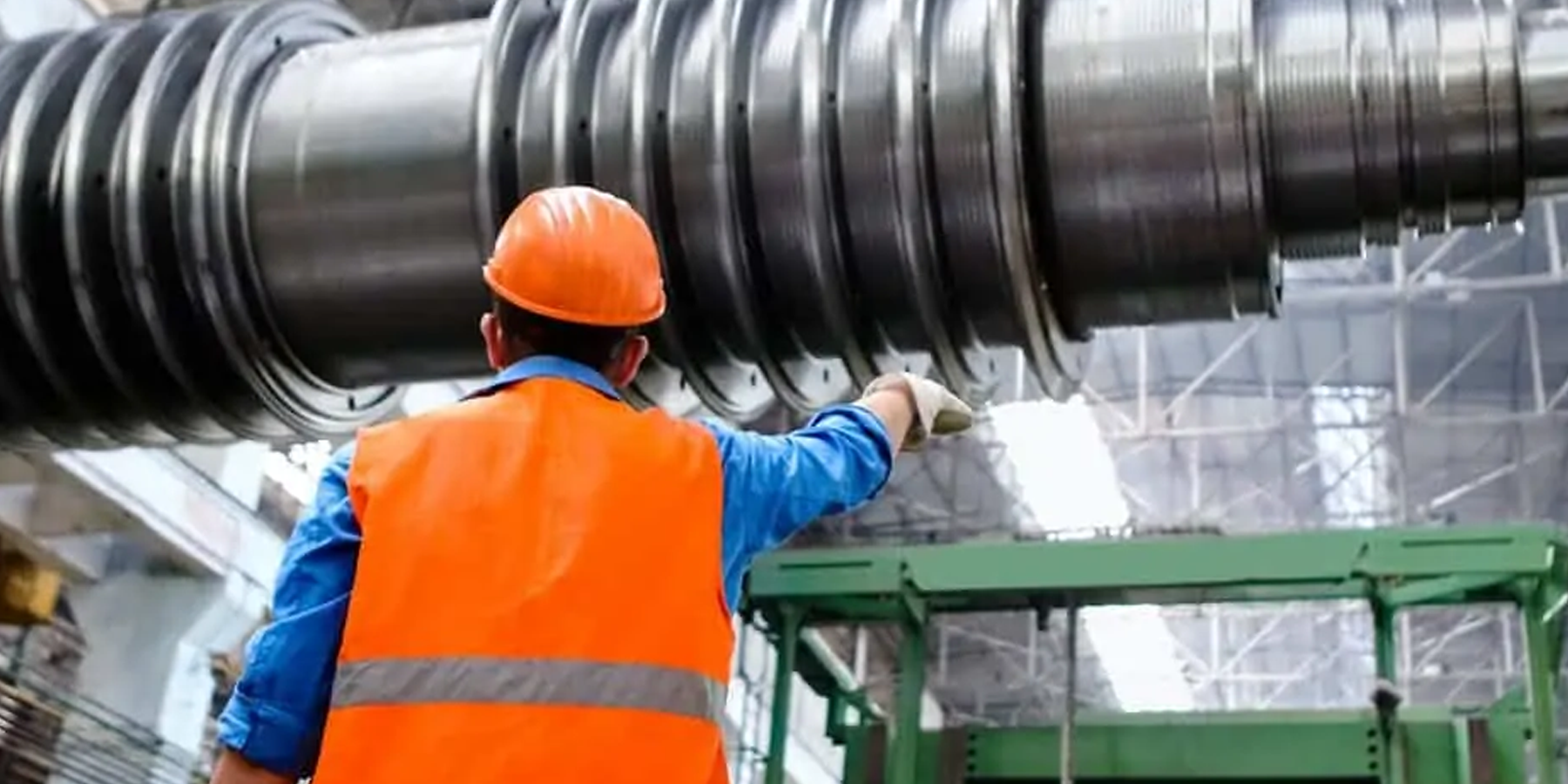
When it’s time to choose safety jackets, you’ll realize that it’s far less simple than you may first assume. The different types and classes all pertain to different occupations and situations – so how do you choose the right one?
Read on to find out everything you need to know about safety jackets, and how to choose one the right way!
Choosing the Right Type
The American National Standard for High-Visibility Safety Apparel and Accessories (ANSI/ISEA 107-2015) provides requirements for safety jackets. They provide requirements for:
- Conspicuous materials
- Background, retrospective, and combined-performance materials
- Colors
- Placement of materials
- Supplemental/accessory items
To simplify the types of safety jackets, the 2015 edition provides three performance classes of garments based on work activities along with types depending on occupation and environment.
1. Off-Road (Type O)
These are for workers that are exposed to struck-by hazards from vehicles, equipment, and machinery. However, these aren’t for workers that are exposed to traffic on public access highways or roadway temporary traffic control (TTC) zones.
2. Roadway and Temporary Traffic Control (Type R)
As the name suggests, these are safety jackets that are for workers who are exposed to traffic from public access highway rights-of-way and roadway temporary traffic control.
3. Public Safety Activities (Type P)
This kind of safety jacket is for law enforcement personnel in roadway and off-road environments. They’re often worn when law enforcement or first responders are exposed to struck-by hazards in the roadway or off-road environments.
Choosing the Right Class
Certain classes of safety jackets are used for specific occupations and range from class 1 to class 3. Paired with the right type of safety jacket, this further specifies what to wear to ensure everyone’s safety.
Non-ANSI Safety Jackets (Class 1 Safety Vests)
These safety vests don’t meet ANSI/ISEA standards, but they can be worn in areas where traffic doesn’t exceed 25 mph. They’re the most economical kind of safety vest and are often worn by parking lot attendants, warehouse workers, and shopping cart retrievers.
When you think of safety jackets, this is the kind that is the most popular and well-known. However, they don’t meet the standards needed for other locations and work activities.
These jackets are usually colored orange, yellow, or lime green.
Class 2 Safety Jackets
Workers who typically wear class 2 safety jackets are: school crossing guards, railway workers, parking and toll gate personnel, airport ground crews, and law enforcement personnel directing traffic.
They have a:
- Minimum background fabric of 775 square inches
- Minimum reflective material of 201 square inches
- Minimum width of 35mm
These vests must be orange, yellow, or lime green.
Class 3 Safety Jackets
Compared with class 2 safety jackets, these provide more visibility. They’re typically worn by roadway construction workers, utility workers, survey crews, and emergency service personnel. They need to be worn in high-speed, high-traffic areas.
They have a:
- Minimum background fabric of 1240 square inches
- Minimum reflective material of 310 square inches
- Minimum width of 50mm
These vests need to be orange, yellow, or lime green for enhanced daytime visibility. In the evening, LED lighting is also available for these vests.
Blue vests are typically worn by emergency medical responders in order to differentiate themselves from other emergency workers, like fire and police. The scene of accidents can be chaotic, and defining their roles will help them get to people in life-threatening conditions faster.
Flame Resistant Vests and Self-Extinguishing Vests
Workers who need high visibility and protection from flames, sparks, arc flashes, and other flammable conditions need these vests. They’re often used by:
- Utility workers
- Welding
- Public safety
- Oil fields
- First responders
- Petrochem refining
- Shipyards
If a safety jacket isn’t made from a material that isn’t inherently flame resistant, they?ll need to have the following labeled on your safety jacket:
?This garment is not flame resistant as defined by ANSI/ISEA 107-2015.?
Self-extinguishing vests are used in situations where there’s only the incidental chance of flammable hazards to take place.
Tow Truck Driver Safety
Being a tow truck driver is a physically demanding job. It’s crucial that all drivers follow safety standards as they step out onto the highway in order to retrieve vehicles or work on repairs.
Safety jackets are particularly beneficial for roadside protection during the night when the lighting is poor. Being visible helps drivers avoid workers. As well as putting on their safety jacket, drivers should always arrive at the scene with emergency lights on.
The next requirement is to check for oncoming traffic, and clearly mark safety zones with cones or flags before they begin work.
Hazard Assessments
OSHA requires employers to conduct hazard assessments in order to accurately determine the likelihood that hazards are present. After hazards are identified, employers need to choose the correct PPE equipment for employees.
For tow truck drivers, some of the questions to help with hazard assessment are:
- What are the current conditions? What is the visibility, weather, temperature, and traffic?
- What will the tow truck driver be doing at the scene?
- How close will the tow truck driver be to moving traffic?
Safety Jackets Ensure Your Safety
Safety jackets may not seem necessary when you’re on the job, but being visible to drivers, especially at night, helps eliminate accidents. By choosing the right safety jacket for the job, you’re meeting work standards that help prevent hazards.
High visibility apparel is one of the most important parts of PPE. If you’re ready to make a purchase, browse our available safety equipment. From strobes to safety vests, we have you covered!